Sponsored
 4.8 (1,738)
Yacht with Beach House
- 8h
- Yacht
- Beach house
- Breakfast
- Family-friendly
from $150 /per
 Free cancellation


Where islanders send their visitors
 Full day (8–9h)
 From $120
 BBQ lunch
 Daily
DailyWhy Klein Curaçao? It is the day trip islanders send every visitor on — pristine sand, calm turquoise shallows, and snorkeling over shipwrecks and turtle grounds.
Select a date, or compare below first
4.8 (1,738)from $150 /per
Free cancellation4.8 (1,738)from $140 /per
Free cancellation4.8 (1,738)from $169 /per
Free cancellation4.8 (1,738)from $140 /per
Free cancellation4.8 (1,738)from $140 /per
Free cancellation4.8 (1,738)from $140 /per
Free cancellation4.8 (1,738)from $140 /per
Free cancellation4.8 (1,738)from $140 /per
Free cancellation4.8 (1,738)from $140 /per
Free cancellationExclusively for your group, plus the crew.
4.8 (1,738)from $1,750 /10 people + $175 per extra person
Free cancellation4.8 (1,738)from $2,200 /8 people + $175 per extra person
Free cancellation4.8 (1,738)from $2,200 /8 people + $175 per extra person
Free cancellation4.8 (1,738)from $2,200 /8 people + $175 per extra person
Free cancellation4.8 (1,738)from $2,200 /8 people + $175 per extra person
Free cancellation4.8 (1,738)from $2,200 /8 people + $175 per extra person
Free cancellation4.8 (1,738)from $2,200 /8 people + $175 per extra person
Free cancellation4.8 (1,738)from $2,200 /8 people + $175 per extra person
Free cancellation4.8 (1,738)from $2,200 /8 people + $175 per extra person
Free cancellation4.8 (1,738)from $2,200 /8 people + $175 per extra person
Free cancellation4.8 (1,738)from $2,200 /8 people + $175 per extra person
Free cancellation4.8 (1,738)from $1,950 /8 people + $175 per extra person
Free cancellation4.8 (1,738)from $1,400 /8 people + $175 per extra person
Free cancellation4.8 (1,738)from $1,950 /8 people + $175 per extra person
Free cancellationOur top picks - one for every type of traveler
 BEST OVERALL4.8 (1,738)Yacht
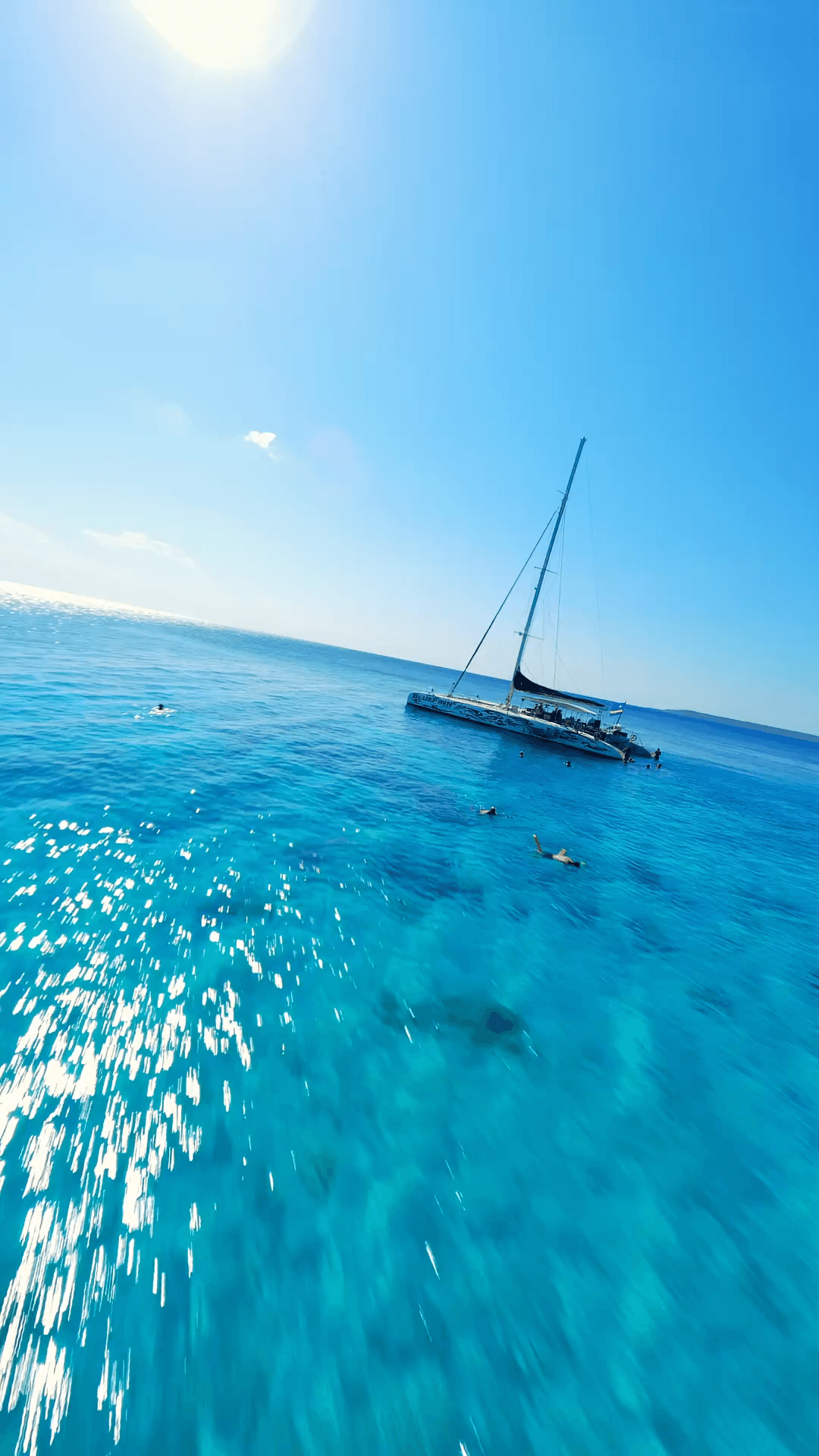
The island's only dive school, a massage with a million-dollar view, and a fully equipped beach house all on a quieter stretch, set apart from the other boats.
Full dayfrom $150
 MOST POPULAR4.8 (1,738)Catamaran
The biggest catamarans on the island and the best open bar of any Klein Curaçao trip. Most-booked year after year - for the ultimate Caribbean sailing vibe.
Full dayfrom $140
 BEST FOR FAMILIES4.8 (1,738)Motorboat
A beach house with its own watch-tower a 360° view over the whole island. A calm, steady boat. Easy and relaxed for families and friends.
Full dayfrom $150
Our honest picks not paid placements. See All Tours
All six boats go to Klein Curaçao. Soft drinks and a BBQ lunch included. Here's what's different once you're there.
 Super Yacht with Beach House
 Family Boat with Beach HouseCatamaran Yacht with Open Bar
A 1.7 km² flat, uninhabited island 10km off the southeast coast of Curaçao. No shops, no signal, just sand, reef, and history.
Klein Curaçao has one of the longest white-sand beaches in the Caribbean: over a kilometre of fine, powdery sand along the calm, reef-protected south shore. The water runs in bands of turquoise to deep blue, shallow and clear right off the sand. It's the reason most people make the trip, a full day on an undeveloped beach with nothing built on it and no crowds beyond the day boats. The north shore is the opposite: rough, windswept, and where the wrecks lie.
In 1871, British mining engineer John Godden found phosphate on Klein Curaçao, left by centuries of nesting birds. Within fifteen years, they had dug out around 90,000 tons for fertiliser and cattle feed, leaving the island around 3 metres lower and stripped bare, which is why it's flat and treeless today. In the 1700s and 1800s, the West India Company used it as a quarantine station for enslaved people. Its ruins still stand in the northwest, and the graves of those who didn't survive remain in the south. A Carmabi project has since restored some green.
Klein Curaçao is a protected nesting ground for three sea turtle species: Hawksbill, Loggerhead, and Green sea turtles. The whole island is a protected Ramsar wetland and a designated Important Bird Area. Those hatched here return year after year to the same beach to nest. While snorkeling you'll very likely see them grazing in the shallows, with the best chance during nesting season, March to October. Watch and swim alongside them, but never touch.
Klein Curaçao's eastern reef is one of the healthiest untouched coral systems left in the Caribbean, rare in a region where bleaching has hit most reefs hard. With visibility up to 30 metres, you take in coral formations, underwater caves, and dense fish life: a real dive site, not just a snorkel stop. One operator runs the island's only dive school, and snorkel gear comes standard.
Klein Curaçao's pink lighthouse, officially the Prins Hendrik tower, stands 20 metres tall in the middle of the island as its standout landmark. First built in 1850, it was destroyed by a hurricane in 1877, rebuilt in 1879, and first lit in 1913. Left empty for decades, it gained a solar-powered LED beacon in 2008, and stairs added in 2017 let you climb to the top for a view over the whole island, though they're weathered and unmaintained now.
Take water shoesThe open bar opens after arrivalThere is no phone signalHeading out, you sail straight into the trade winds, so the front of the boat takes the chop. Sit at the back, ideally back-centre, keep your eyes on the horizon, and most stomachs settle fast.
There are enough beach beds and palapas for everyone, so take your time getting off the boat. The only perk of the first dinghy is first pick of your spot for the day.
The sun out here is fierce and bounces off the water and white sand, so reapply often. Go reef-safe: the reef is protected, and ordinary sunscreen harms the coral.
Yes. Most visitors find the day trip well worth it for one of the longest, most beautiful white-sand beaches in the Caribbean. It's a full day on the sand and in the water, perfect for sunbathing, swimming and snorkeling, with a protected reef and sea turtles in the shallows. The island is completely undeveloped, with no crowds beyond the day boats. We've yet to meet anyone who regretted going.
Includedfrom $135Catamaran with Premium Open BarCatamaran with BreakfastPowerboat AdventureIncludedPremiumKlein Curaçao's north shore holds three shipwrecks. Low and hard to spot, with strong currents, the island has caught out passing boats for centuries. The most visible is the Maria Bianca Guidesman, an oil tanker stranded in 1988. Two French sailing yachts lie nearby: the Tchao, wrecked in 2007, and another lost in 2024. Wind, salt, and sand are slowly reclaiming all three. The north-shore walk takes you right past them.
Signal is weak and patchy. You'll catch a bit out on the Hammerhead pier or up in the watchtower, but mostly you're off the grid, so tell people at home before you sail and enjoy a full day unplugged.
This isn't the usual "limited availability" line: boats to Klein Curaçao genuinely sell out three to four weeks ahead, year-round. If your dates are fixed, lock it in early.
You can climb to the top for a view over the whole island, but the stairs are weathered and unmaintained. Take them slowly, watch your footing, and hold on.